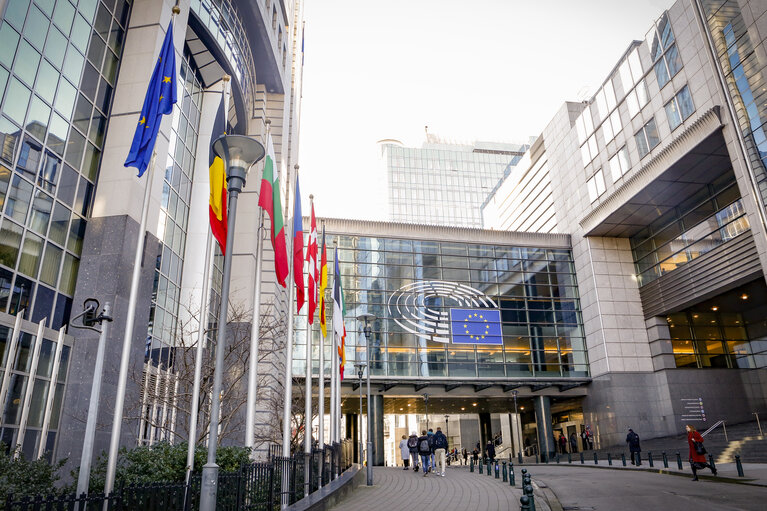

COP29, held in Baku, Azerbaijan, brought together global leaders focused on advancing climate action. The conference tried to combat climate challenges with a more actionable lens but faced criticism for falling short in several critical areas. For Canada, COP 29’s outcomes are relevant because, like jurisdictions around the globe, Canada’s climate mitigation efforts are about considerable investments in infrastructure and technology, particularly as carbon market mechanisms could become less politically viable at home and more operational world-wide. The lack of clarity on international finance and the limited ambition on fossil fuel phase-outs, however, complicate efforts to align local (municipal) and national policies with global climate goals.
KEY OUTCOMES – COP 29
1. Finalization of Article 6 Rules: COP 29 finalized the rules for carbon trading under Article 6 of the Paris Agreement. It includes mechanisms for international carbon trading, including the Paris Agreement Crediting Mechanism for trading carbon credits globally. Article 6.2 established clear guidelines for country-to-country trading, and Article 6.4 encompassed the standards for a UN-centralized carbon market.
2. Strengthened energy transition commitments: countries agreed to a faster phase-out of coal, with an emphasis on boosting the production of renewables with a target of 60% of the global energy mix coming from Renewables by 2035.
3. Global Stocktake Process: Coming out of the commitments from the Paris Agreement, the first Global Stocktake at COP 29 assessed progress on emissions reductions, adaptation, and finance, setting the stage for updated NDCs in 2025. However, countries failed to reach an agreement on how the outcomes of last year’s global stocktake including a key pledge to transition away from fossil fuels, can be taken forward. The next stocktake will be in 5 years.
4. Adaptation and Resilience: Increased adaptation strategies were presented for climate-vulnerable regions, including urban climate resilience projects. The conference prioritized strong urban adaptation plans that help withstand extreme weather events.
5. Climate Finance: Developed countries made prior commitments to spending over $130 billion a year by 2030 on climate adaptation and mitigation in vulnerable countries. However, critics argue that the COP29 turned out to be underwhelming. Developed countries resisted firm commitments to scaling up public climate finance. The longstanding pledge by developed nations to mobilize $100 billion annually for developing countries remained unmet, raising doubts about the reliability of future financial commitments. This approach sparked frustration among developing nations seeking substantial funding to meet adaptation and mitigation goals.
COP 29 is Important for Canadian Cities?
The COP 29 outcomes indicate for Canadian cities that there’s a global focus on energy transitions, and infrastructure investments to strengthen local jurisdictions’ abilities to handle climate challenges. Across the world local jurisdictions are using environmental resources including renewable energy resources like wind, solar, and hydropower, to reduce carbon emissions and adapt to climate impacts. This connection emphasizes that the actions taken at the local level can contribute to addressing global problems, making local initiatives an important component of global response to climate change.
1. Climate Risks and Infrastructure adjustment costs: With the climate risk of floods and heatwaves, cities such as Vancouver and Toronto have been considered increasingly at risk. People are reminded by these floods that they need better infrastructure and adaptation (recall that the costs of the September 2021 British Columbia floods was over $9 billion). The growing expenses of creating and maintaining resilient infrastructure are also a global issue, as cities all over the world struggle to safeguard their businesses and populations from the worsening effects of climate change.
2. Green Transition Opportunities: Transitioning to green sources for energy is a world-wide activity. A report from Clean Energy Canada indicated that renewable energy investments could generate more than 560,000 jobs by 2050. Against a backdrop of twindling political support at federal level, cities are already emerging as centers for clean energy technology, offering avenues for economic diversification. However, financing the transition, especially for large-scale infrastructure like renewable grids, bicycle lanes and electric vehicle ecosystems, is increasingly politically challenging in Canada.
3, Collaborative Action and Regulation: Stricter climate regulations for building codes are an emerging trend. Establishing green building codes, incentivizing energy-efficient construction, and prioritizing urban green spaces contribute to sustainable city growth. In the face of the housing crisis and rising construction costs, cities continue to adopt policies such as emissions caps, renewable energy mandates, and advances for building codes.
COP 29 – Carbon Credit Regulations – Prospects for Canada
The dealings at COP29 regarding carbon credit regulations provide clarifications for the rules for setting up and engaging in carbon markets. Key to the discussions was the advancement of Article 6.4 of the Paris Agreement, which intends to replace the Kyoto Protocol’s Clean Development Mechanism with an advanced and unified global carbon credit market. That makes this turn especially stark in Canada, which has been, until recently, a leader in carbon pricing and trading systems. British Columbia and Quebec have pioneered in carbon trading and pricing for industry. However, the challenge currently is that the political and public support for these measures, especially at the consumer level, is falling.
As an oil-exporting country transitioning to green energy, carbon credit regulations guidance potentially aligns with Canada’s efforts to meet its ambitious climate targets. However, the operationalization of the Article 6.4 mechanism is still evolving, and its success depends on international cooperation and implementation. Climate policy and programs will need to keep the focus on at the local and provincial and federal level for addressing ongoing challenges like (methane) leakage, monitoring compliance to emissions goals in the oil and gas sector, and supporting additional emissions reduction projects.
Considerations for Local Policy in Canada
Canadian cities can focus on several critical areas to address the challenges and leverage the opportunities presented by COP 29 discussions:
1. Carbon Pricing and Municipal Governments. Cities could strengthen local/provincial policies in carbon pricing (given the probable decline in federal support) by exploring local approaches for carbon taxes and cap-and-trade systems. Municipal governments can incentivize local businesses and residents to monitor emissions and adopt low-carbon practices while ensuring that funds from carbon pricing are reinvested into sustainable urban development projects.
2. Energy Transition Infrastructure :Investing in clean energy infrastructure, upgrading sewers/water treatment, integrating renewable energy sources (including home solar), and electrifying transportation systems. One example initiative is bike lanes that many cities invest in as part of its climate action strategy.
3. Urban Resilience and Adaptation: Cities can promote resilient infrastructure, such as flood mitigation systems and heat-resilient buildings. This includes investing in green infrastructure like urban forests (urban tree canopy), sustainable drainage systems and heat pumps.
4. Collaboration, Innovation, Advocacy : Canadian cities need to collaborate with federal and provincial governments, as well as private and international partners, to access funding, share best practices, and integrate technology. Participation in global initiatives like the C40 Cities Climate Leadership Group can have an impact on sustainability (Montreal and Toronto are members of C40).
5. Monitoring and Accountability: Cities can establish effective systems to monitor progress on emissions reductions and climate adaptation measures. Monitoring activities can lead to better decision-making and transparent reporting.
Conclusion
The outcomes of COP 29 were disappointing and in the context of Canada’s rapidly changing federal climate, this presents a challenge for the local policy community. COP29 points to some global trends for advancing infrastructure investment, exploring policy approaches in areas such as carbon markets, and continuing to collaborate at home and globally. Given the changing perspectives on some climate action plan items at the federal level, the role of local policy has a much larger potential for positive impact for resilience, growth, and innovation.
References
COP29: Key outcomes agreed at the UN climate talks in Baku – Carbon Brief https://www.weforum.org/stories/2024/11/cop29-4-key-takeaways/
https://enb.iisd.org/baku-un-climate-change-conference-cop29-summary
https://www.cfr.org/expert-brief/was-cop29-azerbaijan-failure
https://www.energy-transitions.org/region/canada/
https://energy-information.canada.ca/en/energy-facts/key-energy-economic-environmental-indicators
https://unfccc.int/sites/default/files/resource/ Summary_Global_Climate_Action_at_COP_29.pdf
https://www.carbonbrief.org/cop29-key-outcomes-agreed-at-the-un-climate-talks-in-baku/
https://www.theguardian.com/environment/live/2024/nov/22/cop-29-live-poor-countries-may-have-to-compromise-on-climate-funding-says-former-un-envoy
https://www.mayerbrown.com/en/insights/publications/2024/11/cop-29-progress-in-the-operationalization-of-the-international-carbon-credit-market