
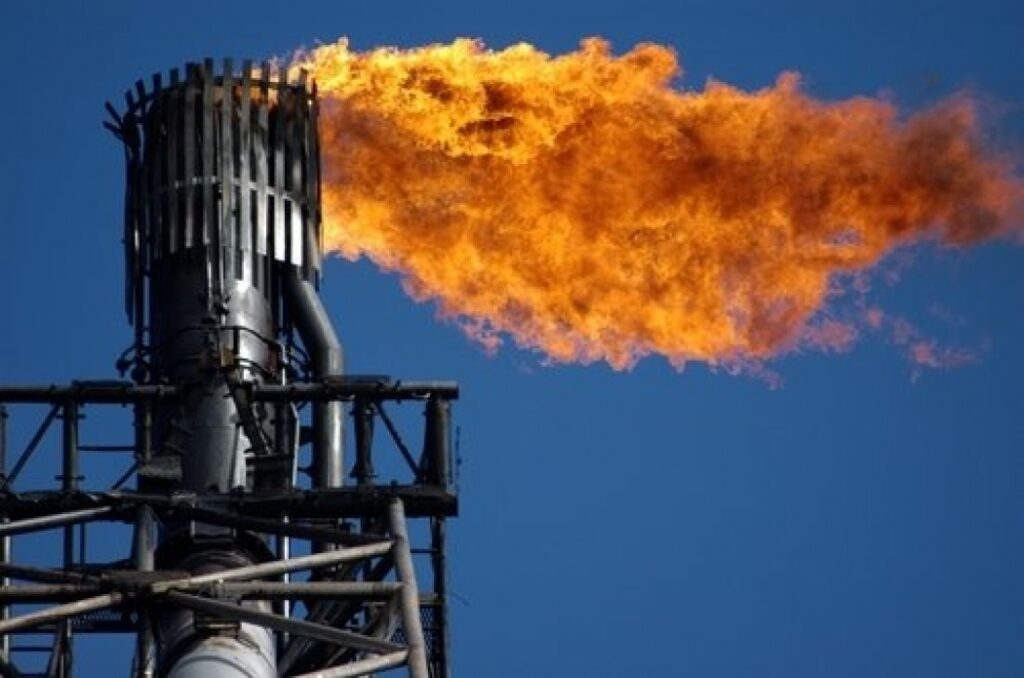
It is clear to see in recent infrastructure announcements that some investors are seeing a way forward for Liquefied Natural Gas (LNG) (Statica). LNG has emerged as a promising energy source for many countries across the globe, including Canada. However, there’s room for a critical eye from a business value point of view. There’s room also to question the economic value of infrastructure investments and the potential environmental risks with LNG’s associated methane emissions.
“Canada will look at supporting more liquefied natural gas (LNG) terminals as long as they are economically feasible because they are needed to keep the world from burning coal again amid the current energy crunch”, Finance Minister Chrystia Freeland said in October, 2022.
LNG is said t be a cleaner-burning fossil fuel compared to coal and oil and emits significantly less carbon dioxide (CO2) and other pollutants when burned. According to the International Energy Agency (IEA), natural gas currently accounts for 22% of global energy demand and is the fastest-growing fossil fuel.
The thing is… natural gas production and transportation results in significant methane emissions, a potent greenhouse gas that is even more damaging (22X) to the environment than CO2 in the short term. And that is a BIG problem for investors.
LNG IS A FLEXIBLE FUEL
Aside from its relative abundance and flexibility, one of the main benefits of LNG is its potential to reduce greenhouse gas emissions. Advocates say that when used as a fuel for power generation, LNG can reduce CO2 emissions by up to 50% compared to coal. This is because natural gas contains less carbon than coal and oil, and it emits fewer pollutants such as sulfur dioxide and nitrogen oxides. Using LNG for transportation can reduce emissions from heavy-duty trucks, ships, and other high-emitting vehicles.
It so happens that Canada is one of the largest producers and exporters of natural gas in the world. We have significant reserves of natural gas especially in British Columbia and Alberta. The Canadian government and some industry players are looking to expand its LNG investments and increase its exports to international markets, particularly in Asia.
The advertised environmental benefits have motivated the Canadian government to support the development of the LNG industry. They see it as a way to reduce emissions and create jobs. In 2018, the government announced a plan to reduce greenhouse gas emissions by 30% below 2005 levels by 2030, and it has identified LNG as a key part of its strategy to meet this target.
The Canadian LNG industry has continued to grow, with several projects currently under construction or in the planning stages. The LNG Canada project in Kitimat, British Columbia, is expected to become one of the largest LNG export facilities in the world when it is completed, with a capacity to export up to 28 million tonnes of LNG per year. The project has received significant investment from a consortium of companies, including Shell, PetroChina, Mitsubishi, and Korea Gas Corporation. Another major project is the Woodfibre LNG project, also located in British Columbia, which is expected to begin production in 2023.
LNG Canada plans to start building its proposed second phase with natural gas-powered turbines and switch to electricity only as more renewable power becomes available, according to a top executive. This will mean the expansion project will initially generate high greenhouse gas emissions. LNG Canada is set to be Canada’s first liquefied natural gas (LNG) export terminal and the first phase is expected begin shipments around 2025.
In addition, there are also smaller-scale initiatives aimed at promoting the use of LNG in various sectors. For example, the government of Quebec has been supporting the development of a liquefied natural gas bunkering station for marine vessels in the Port of Montreal. The station will provide LNG as an alternative fuel source for ships, reducing emissions and improving air quality in the port area.
BRIDGE FUEL? NOT REALLY!
The growth in these lines of investment in LNG is consistent with industry positioning it as a clean burning fuel and potential “bridge” fuel to cleaner green alternatives.
LNG emissions impacts are real and spending huge sums on infrastructure for LNG is a problem.
The concerns about LNG environmental impacts associated with productions and transportation resulting in significant methane emissions. Not a small matter! Methane emissions are be 25-85 times more potent than CO2 in the short term, depending on the time horizon considered. This makes it essential to address these methane emissions to ensure that any emissions reductions from LNG are not offset by increases in methane emissions.
STUDY THAT ASSESSES OVERALL LIFECYCLE OF GHG WITH LNG
OVERALL HIGHLIGHTS
Recent data from the European Union show Canada is the only G7 country where methane emissions have increased since 1990 (federal estimates). Some data on this shows that Methane emissions in Canada is probably underestimated. A 2016 study from Carleton University using airplane overflights concluded Alberta’s emissions were up to 50 per cent higher than federal estimates.
Investor support for LNG investments is short sighted. We should all be particularly concerned about public funds being used to invest in fossil fuel infrastructure projects as the world transitions towards renewable energy sources. LNG is a failure as a transition fuel.
LNG as a bridge fuel is largely debunked by research. According to a report by the Stockholm Environment Institute, there is no evidence to support the idea that natural gas can serve as a bridge fuel. Instead, the report argues that the continued use of natural gas will simply delay the transition to renewable energy sources. It would likely make the transition more difficult and unnecessarily expensive by locking in infrastructure and investments in natural gas.
The LGN advocates ignore the economic realities of the energy sector. Renewable energy sources such as wind and solar are becoming increasingly competitive with fossil fuels and are already cheaper in the long run (International Renewal Energy Agency). The continued investment in natural gas infrastructure, like the Canadian investments in pipelines, ports facilities, actually risks locking in a large set of infrastructure and equipment that will become increasingly expensive and difficult to transition from as renewable energy sources become more prevalent.
The LNG investment announcements are not a total surprise as there is a scramble for alternatives that can be positioned as clean energy. A closer look shows us that the trust in LNG as a viable bridge alternative is misplaced. LNG is a relatively costly fossil fuel (compared with clean alternatives), associated with catastrophic environmental risks, and will be bound to stranded infrastructure assets within the medium term as the inevitable transition to cheaper clean alternatives takes hold.
LNG infrastructure is a lousy investment for Canadian business leaders and a stupid investment for Canadian taxpayers.