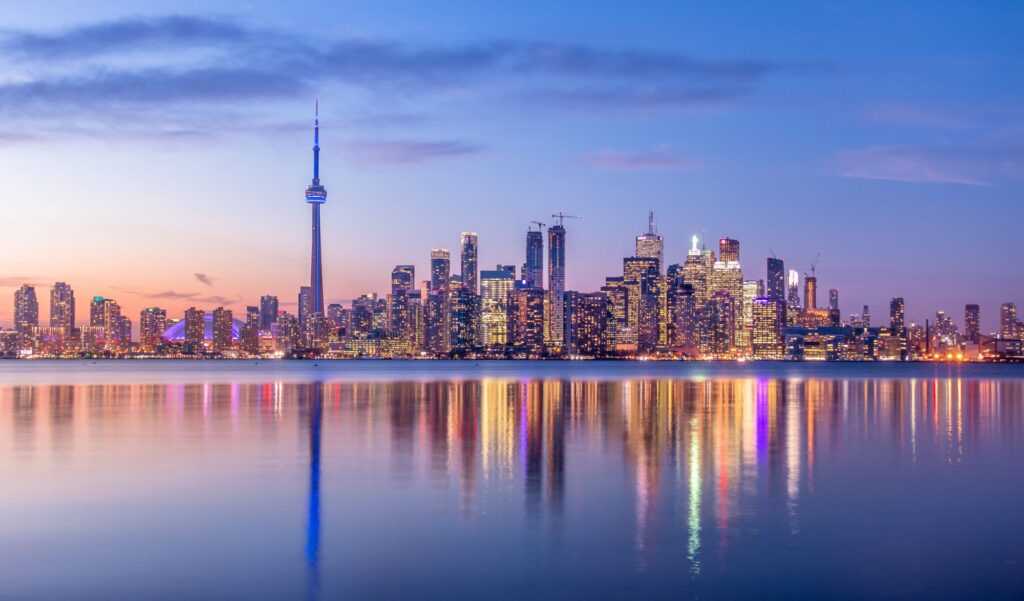
On the surface, Toronto in the summer of 2025 appears to be a city of contradictions. Cranes dot the skyline, construction pylons litter the streets, where bike lanes slowly take shape. The housing crisis and long commutes continue to exacerbate everyone’s situation. But we can be looking at a city still holding to some interesting, sometimes bold, decisions on climate transformation. Toronto is quietly establishing itself as a global leader in urban climate action, as revealed in the city’s latest progress report from June 2025.
The numbers tell an encouraging story. Toronto has slashed its greenhouse gas emissions by 48% compared to 1990 levels, surpassing its 2025 target three years early. Surprising as it sounds, there are some tangible results. Walk through any neighbourhood, and you can see scaffolding used to install new insulation and heat pumps. There’s a growing network of charging stations for EVs. There are more bike lanes and orange rental bikes available in more neighbourhoods than ever before.
The city’s own 2024 progress report, recently adopted by Council, paints a nuanced picture. While buildings have seen a dramatic 54% reduction in emissions thanks to aggressive retrofit programs and the ground breaking Toronto Green Standard, other sectors prove more stubborn. Transportation emissions have only fallen by 32%, hampered by delays in rolling out charging infrastructure and the slow turnover of the City’s vehicle fleet. The report reveals that only 210 of the planned 500 curbside EV chargers are operational, caught in a tangle of permitting and power grid upgrades.
Geothermal: Huge Successes and Expansions Planned
The human side of this transition comes into sharp focus in neighbourhoods like Scarborough, where the city’s first geothermal pilot project is breaking ground. The climate plan is about specific, measurable emissions reductions and continuing to test whether renewable energy can continue to expand both environmental benefits and lower utility bills for residents. Meanwhile, in the downtown core, the Enwave Deep Lake Water Cooling system quietly expands its network, now keeping 93 buildings comfortable without traditional air conditioning, its success largely unnoticed by the thousands of office workers who benefit from it daily. Toronto’s EDLWC system is the largest and most successful project of its kind in the world.
Hard Choices Ahead
But the path forward isn’t without obstacles. The report lays bare the tensions emerging as Toronto’s climate ambitions collide with other urban realities. The natural gas ban for new buildings faces mounting opposition from developers as its first phase approaches in December 2025. The Home Energy Loan Program, a cornerstone of the retrofit strategy, now grapples with a $4.2 million shortfall as construction costs soar, with not much reprieve in sight given the tariff war. Perhaps most tellingly, according to the Council Report, “nearly a quarter of residents considering energy upgrades cite fears of rent increases as their primary barrier.” This is a stark reminder that climate actions involving retrofits are being attempted during the crushing housing crisis.
What emerges from the data is a city at a crossroads. The easy wins—switching streetlights to LED, capturing landfill gas—are largely behind us. The next phase demands harder choices: retrofitting aging apartment towers, overhauling transit systems while maintaining service, and making tough political decisions about who bears the costs of transition.
The Youth Climate Corps has placed 340 young people in green jobs, many in neighbourhoods that need them most. Indigenous-led tree planting initiatives are restoring urban canopies while preserving traditional knowledge. And perhaps most importantly, the city’s new neighbourhood-level emissions tracking means residents can now see—for the first time—how their streets compare in the climate fight.
As Toronto turns toward its 2026-2030 implementation plan, the city may just hit its next target of 65% reductions by 2030. The cranes and construction zones that frustrate commuters today might just be building the foundation for a cleaner tomorrow.
There are ways for residents to get involved: join a community advisory group, apply for a retrofit grant, or simply watch the real-time emissions dashboard tick downward. The next part of Toronto’s climate story is being written now, in council chambers and construction sites, in research labs and apartment basements—and it looks like there’s a bit of a chance for some real successes.
Learn more: